The Passover Seder Awaits …
Are you looking for a sense of purpose and inspiration? Articulate an organizing principle for your life? Connect to an ancient lineage of courage and hope?

Are you looking for a sense of purpose and inspiration? Articulate an organizing principle for your life? Connect to an ancient lineage of courage and hope?
Drawing on the wisdom of the Prophet Micah, Rabbi Barbara Penzer shows how loving encounters with others, sensing their pain, can help bring about a more just world. Rabbi Penzer discusses how Micah’s optimism in the face of tragedy speaks directly to our own times.
Bummed that the Super Bowl and NFL season are over? Don’t worry, you can delve into the links between athletic competition, training, spiritual practice and Torah from Rabbi Jason Bonder, an RRC graduate who has played professional baseball and competed in triathlons.
Rabbi Emily Cohen writes about how, sometimes, dressing up for Purim can help us discover ourselves, or at least a new aspect of ourselves.
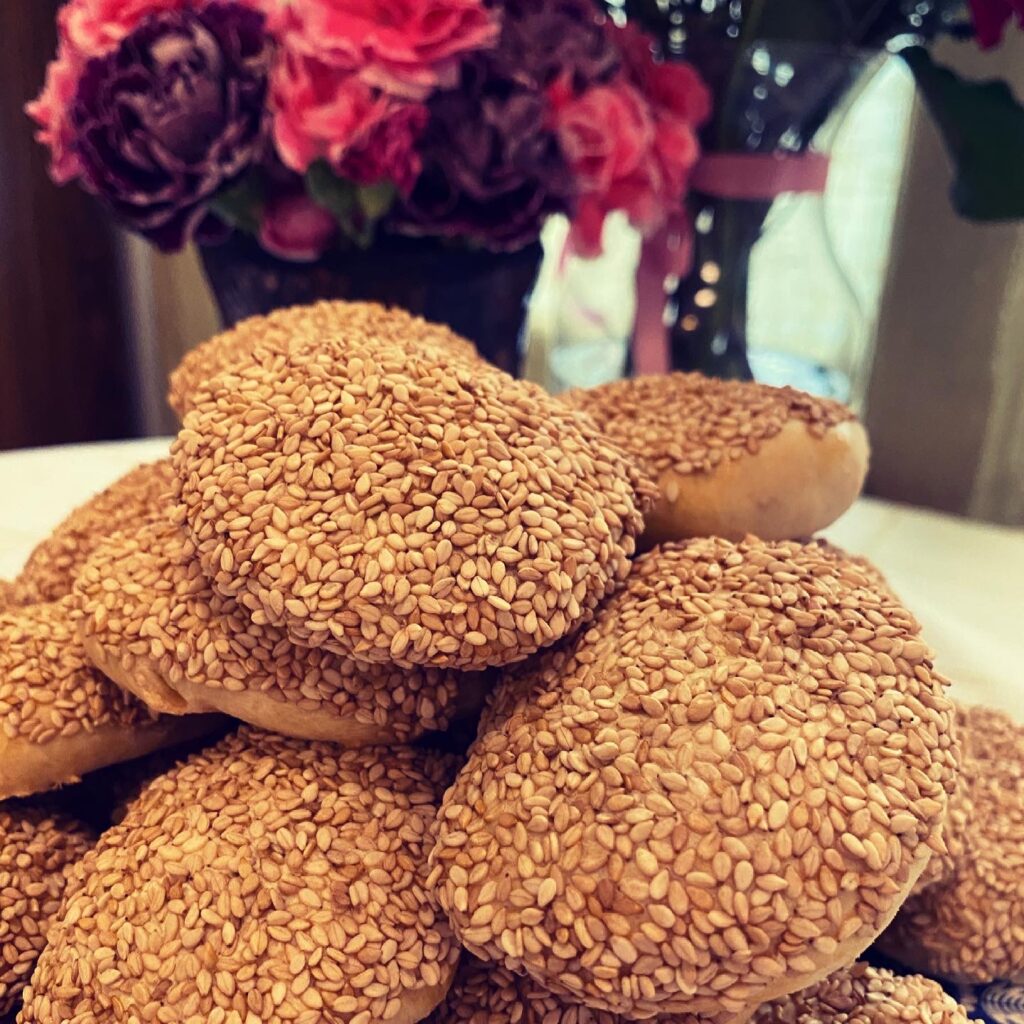
Sambusak and B’ab’a B’tamer, two traditional Iraqi Purim treats that celebrate Queen Esther’s hiding of her Jewish heritage from the king, are demonstrated by Adva Chattler, who lovingly learned them from her savta (grandmother). Watch the video above and download the recipe here. B’ab’a – B’tamer: Iraqi Cookies for Purim Ingredients Dough 4 cups
Tu Bishvat takes its name from the date of its observance on the Hebrew calendar—the 15th day of the month of Sh’vat, which falls in January or February. Tu Bishvat is also known as the New Year for Trees, which is how it is described in the Mishna (Rosh Hashana 1.1) because it is the date from which the age of trees was counted, determining when fruit tithes were owed in the days of the Temple. This date was selected because trees flowered after it. In Israel, where the winters are relatively mild, the date also marks the beginning of the tree-planting season.
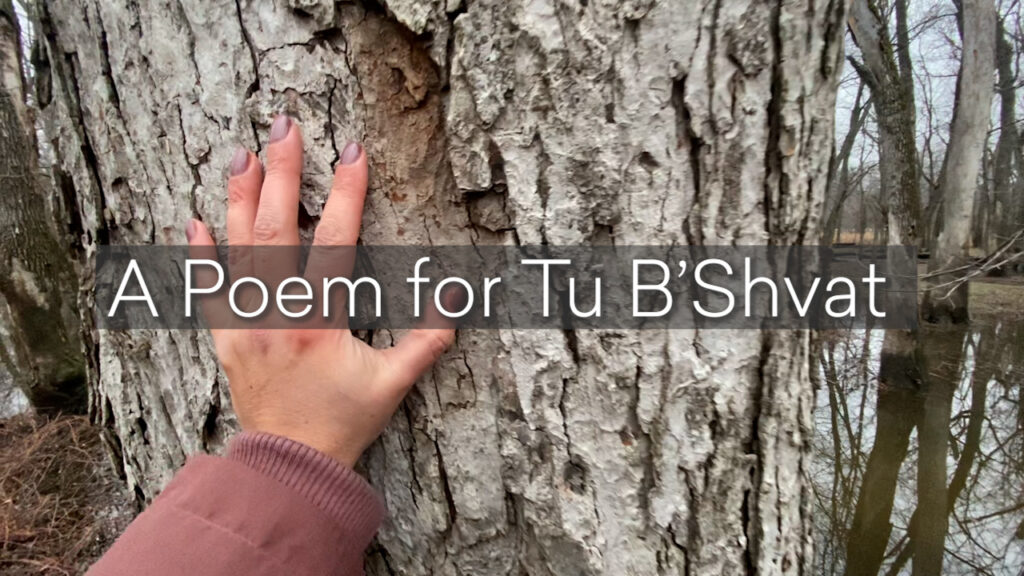
Tu B’Shvat is known as the Jewish New Year of the trees. The holiday was originally connected to agricultural offerings brought to the ancient Temple in Jerusalem, and this date determined when the crop year would begin and end. It was revitalized by the kabbalists of Tzfat in the 16th century, with the invention of the Tu B’Shvat seder, where we eat and bless symbolic foods and drink four cups of wine. The intention is to draw down divine shefa—abundance or spiritual sustenance—through the act of blessing and eating these foods. Tu B’Shvat was later revived again through the Zionist movement of the 19th and 20th centuries, connecting it to tree planting in the land of Israel. Today, Jewish environmentalists use Tu B’Shvat as a time to reflect on our connection to the earth and our obligations to protect it.
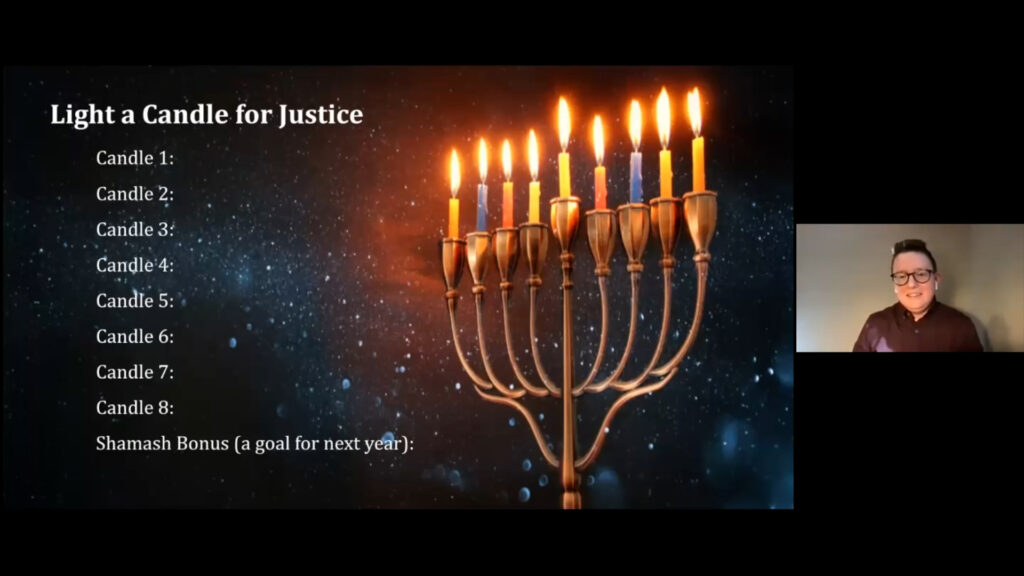
Each night of Hanukkah we add more light to our menorah, and this year we commit to adding more light to the world as well. In this session, we will reflect on the social justice work that we want to engage in and ground our action in spiritual practice. We will use song, learning and ritual to create intentions for each night of Hanukkah that will guide us in our efforts for justice.