Baltimore Jewish Times Features Kol HaLev
Sunday school is no longer just for youngsters at Kol HaLev, a Baltimore-area Reconstructionist synagogue.

Sunday school is no longer just for youngsters at Kol HaLev, a Baltimore-area Reconstructionist synagogue.
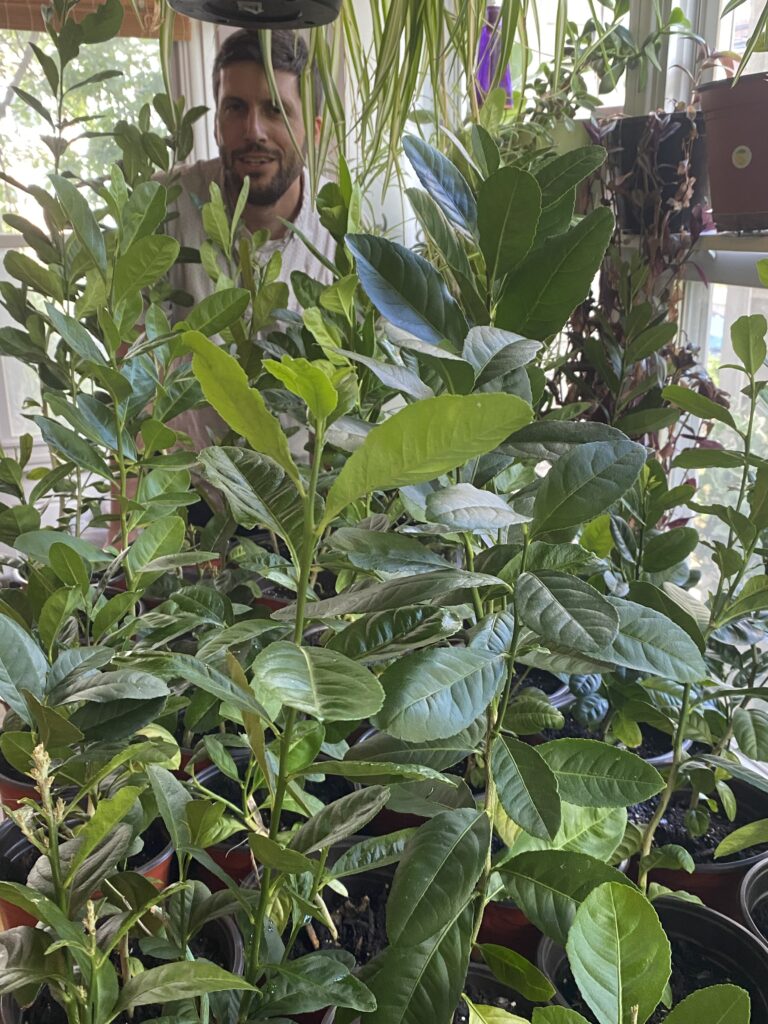
About a year ago, West Philadelphia resident and Reconstructing Judaism Assistant Director of Thriving Communities/Tikkun Olam Specialist Rabbi Micah Weiss planted about 75 etrog seeds. Over the year, nearly all germinated, producing little etrog saplings.
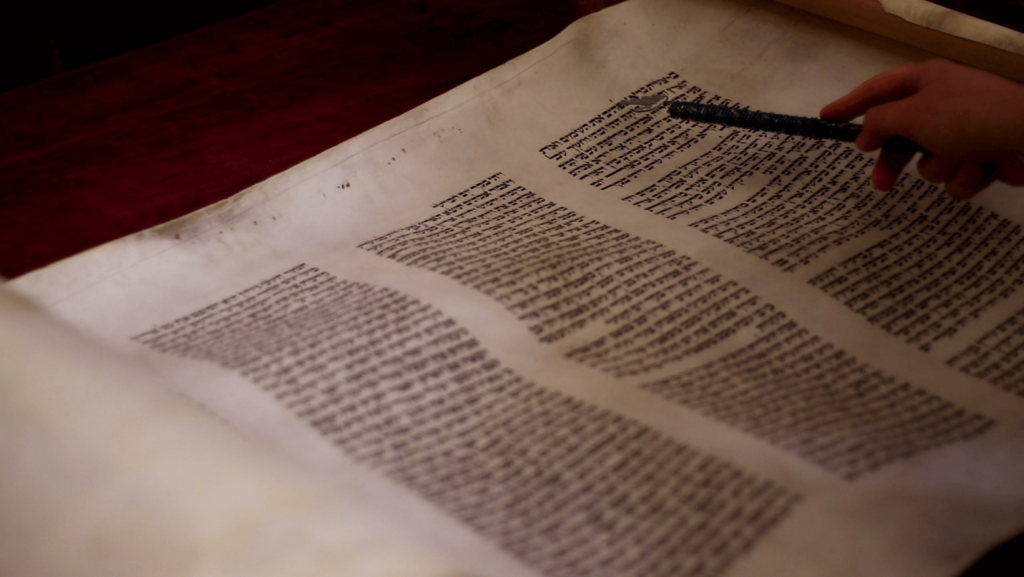
On Simchat Torah we celebrate the Torah. We celebrate reaching the end, reciting the last words in Deuteronomy, which we follow by turning back to the beginning and reciting the first words in Genesis.
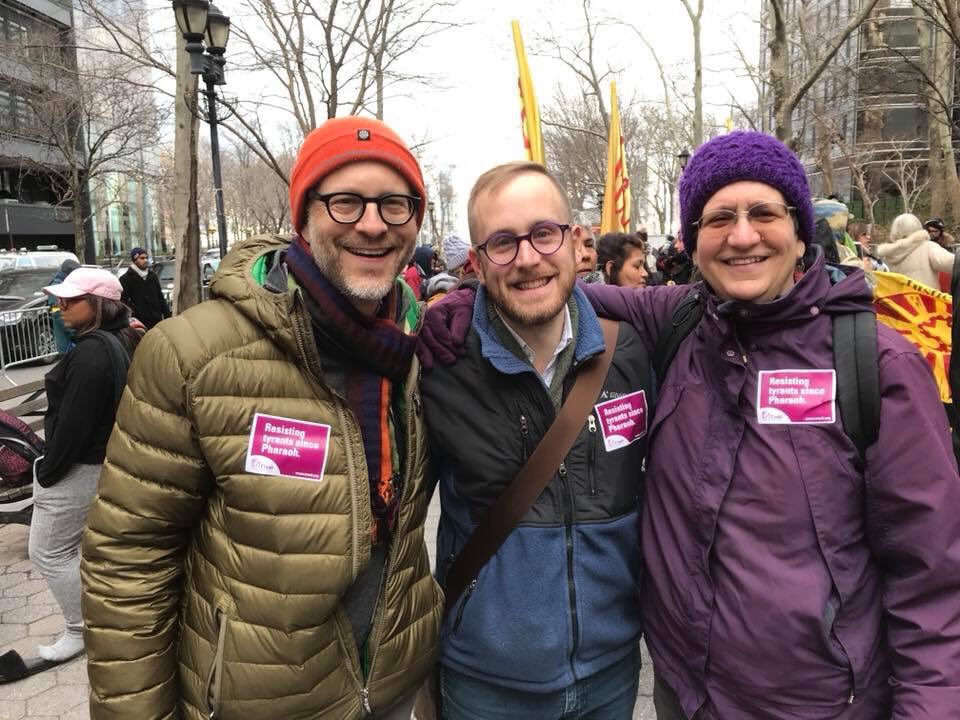
As someone who had been a Jewish community organizer prior to rabbinical school, this was the sort of Jewish ritual I was accustomed to, linking contemporary politics to ancient practices, if not quite on this large a scale.
The synagogue emerged as an offshoot of the Reconstructionist Rabbinical College. But in 1989, it separated itself from the college to show that the new denomination could survive.
More than 1,200 Jewish communal professionals gathered May 2-4 in Cleveland for “JPro22: Going Places Together.” One of the largest Jewish professional gatherings since the start of the pandemic, the conference represented a profound moment of reconnection and meaning making. JPro connects, educates, inspires and empowers professionals working in the
When Shahanna McKinney-Baldon came upon the life and work of early 20th-century entertainer Madame Goldye Steiner, the dramatic soprano who performed Jewish liturgical music along the East Coast and in the upper Midwest as “the only colored woman cantor in the world,” she said she felt an instant connection.
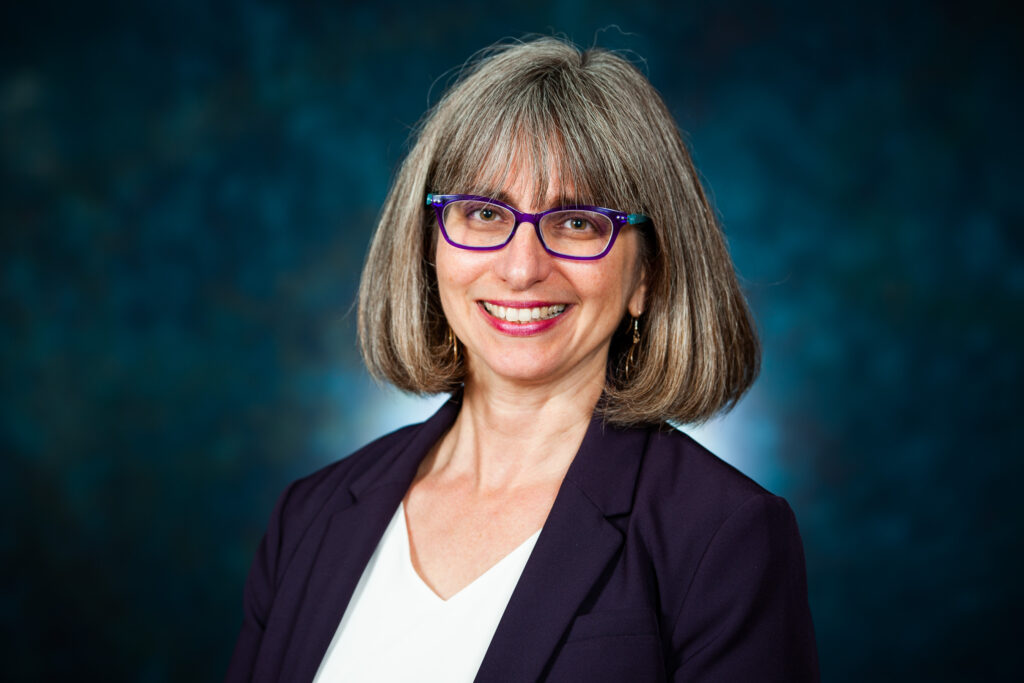
When it comes to groundbreaking research, it usually takes years for new work to appear in an academic publication and, often, it fails to reach the public in a meaningful way. The Reconstructionist Rabbinical College’s Center for Jewish Ethics is trying a different approach.
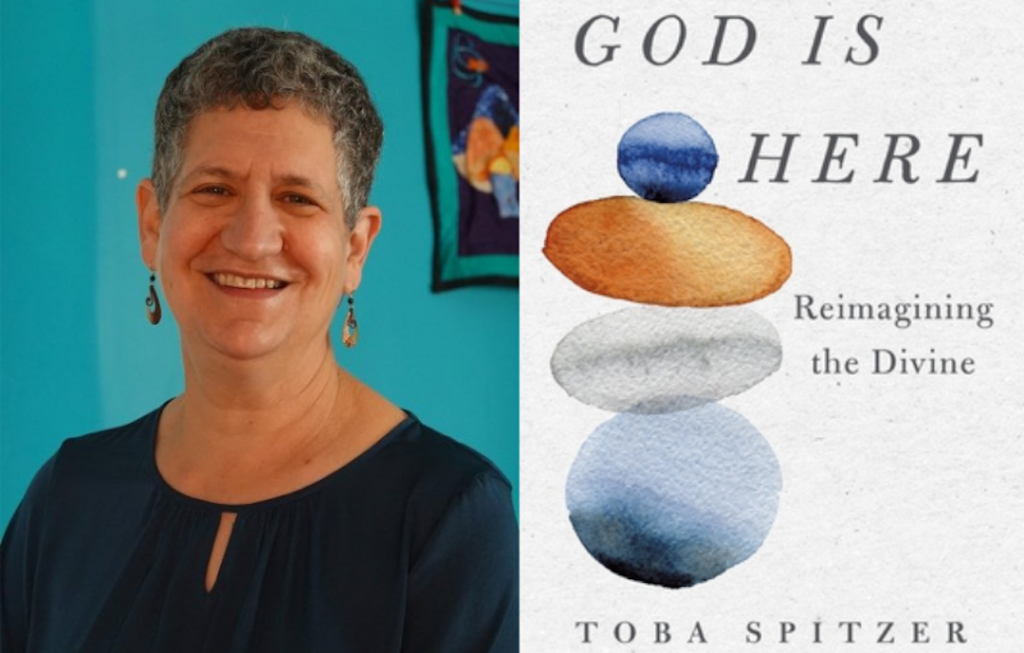
One of the centerpieces of the Rosh Hashanah and Yom Kippur liturgy is the “Avinu Malkeinu” prayer — Our Father, Our King. It’s a desperate and emotional appeal for forgiveness, set to powerful melodies over the centuries.