Read: Mindfulness Ritual
Created for the purpose of a Tu B’Shvat seder, this ritual explores the kabbalistic symbolism of the number four. Specifically, the four elements: Earth, water, fire and air.

Created for the purpose of a Tu B’Shvat seder, this ritual explores the kabbalistic symbolism of the number four. Specifically, the four elements: Earth, water, fire and air.
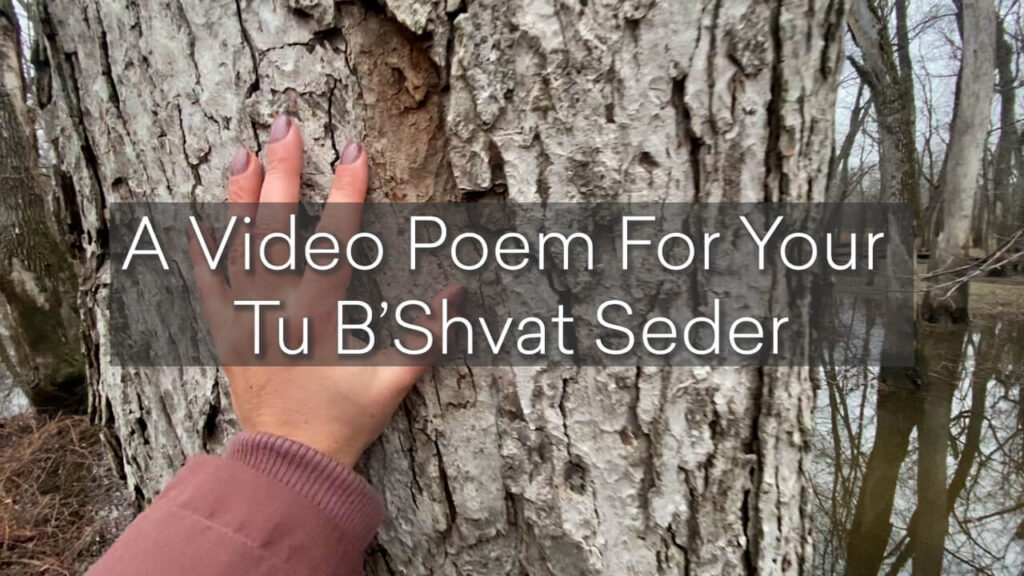
Poet Hila Ritzabi, who leads Ritualwell.org, offers a little Tu B’Shvat 101 and then steps into the great outdoors to recite a powerful poem about climate change and the redemptive power of nature. It is sure to enhance your observance of the New Year of Trees.
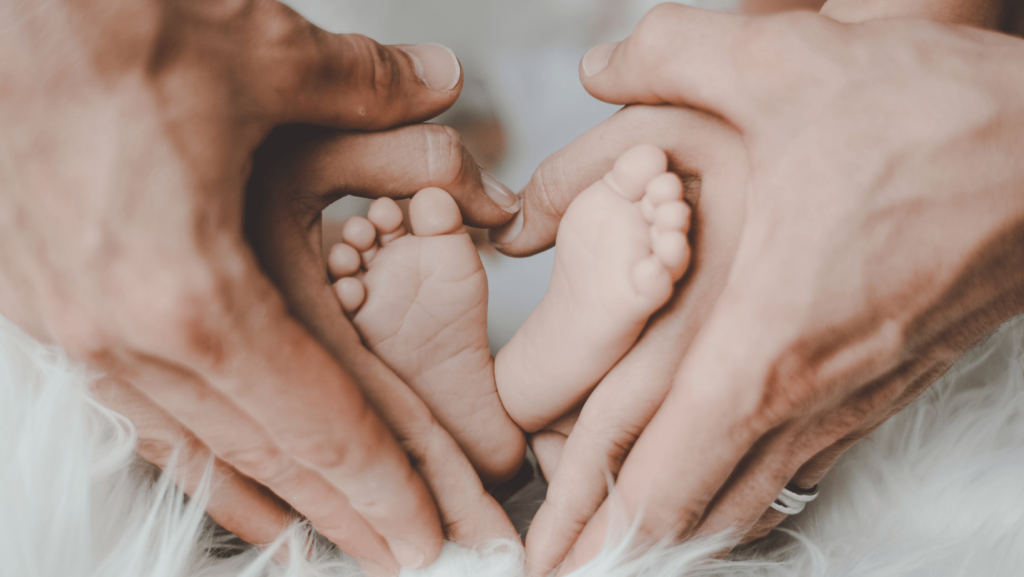
While there are no specific ancient traditional rituals for welcoming a baby girl into the community, many families have found ways to fill that void. This short, animated video explores some of the new traditions.
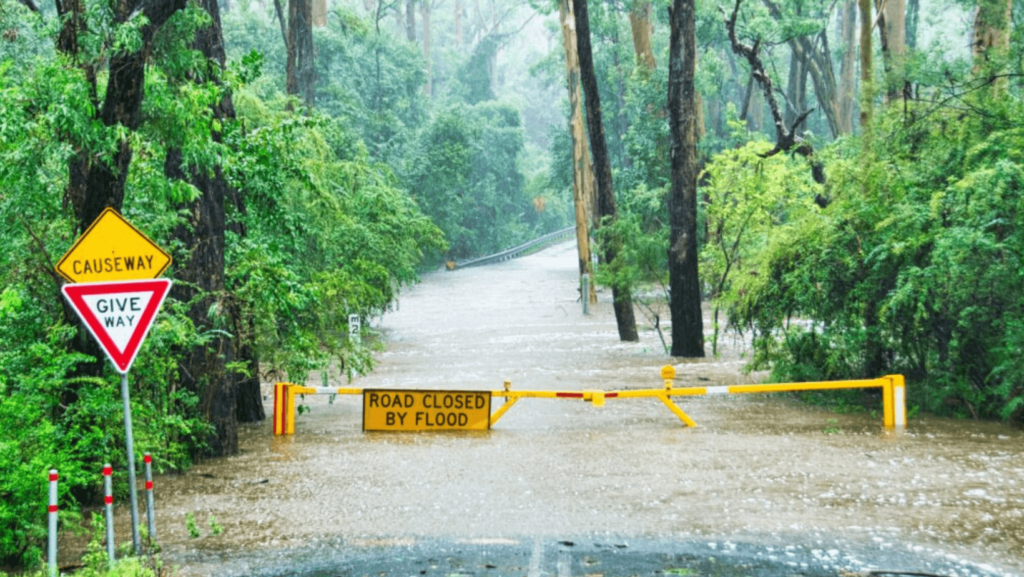
This stirring poem by Trisa Arlin confronts nature’s destructive power, yet finds hope in the power of individuals and communities to survive, assist and comfort.
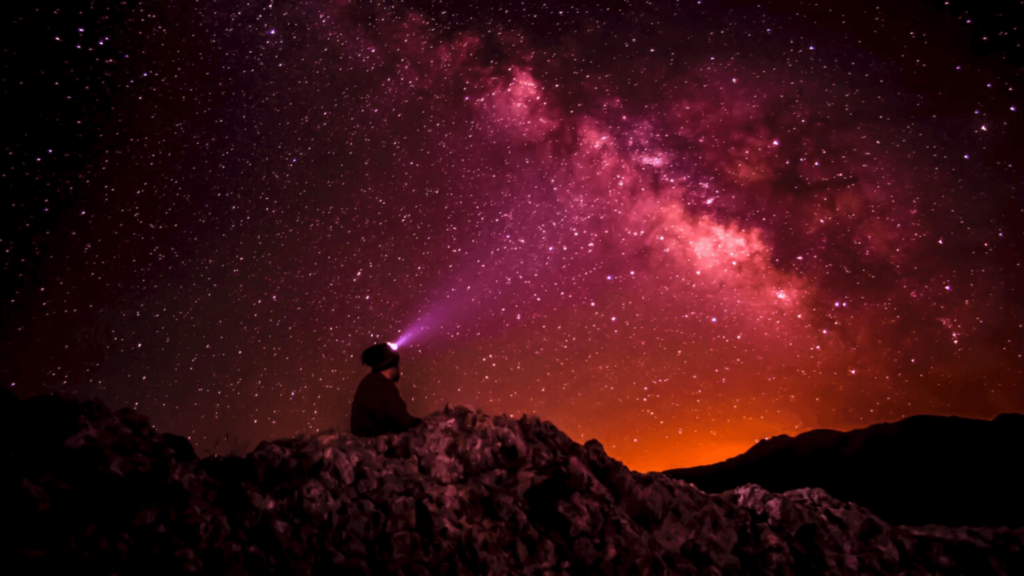
A new year begins, and we all become a little older. Judith Kerman looks to the stars seeking a “misty field above my head in the dark” and yearns for that place “where everything becomes clear.”
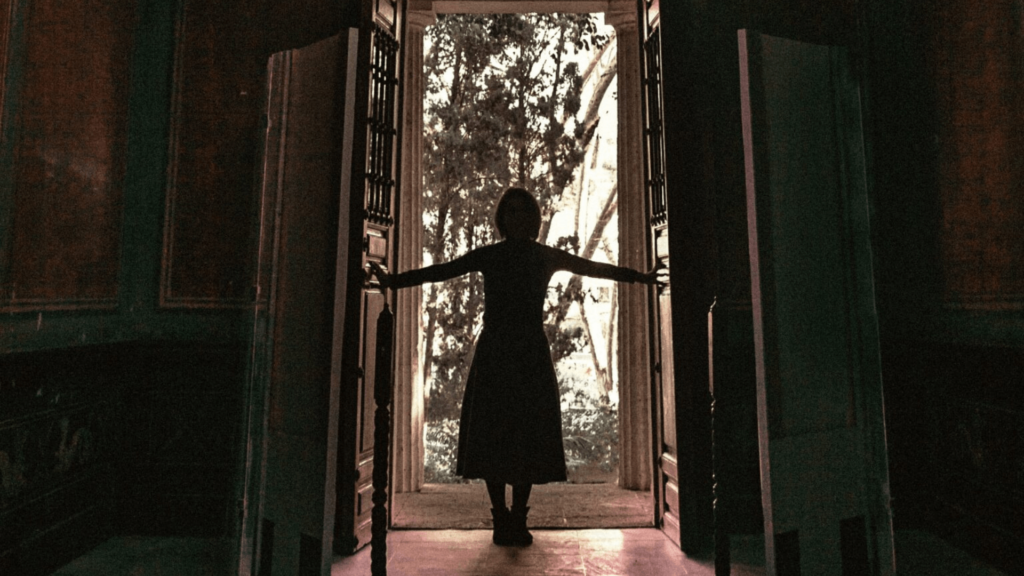
Rabbi Annie Lewis’s poem takes off on a line from Lucille Clifton: “I am running into a new year ….”
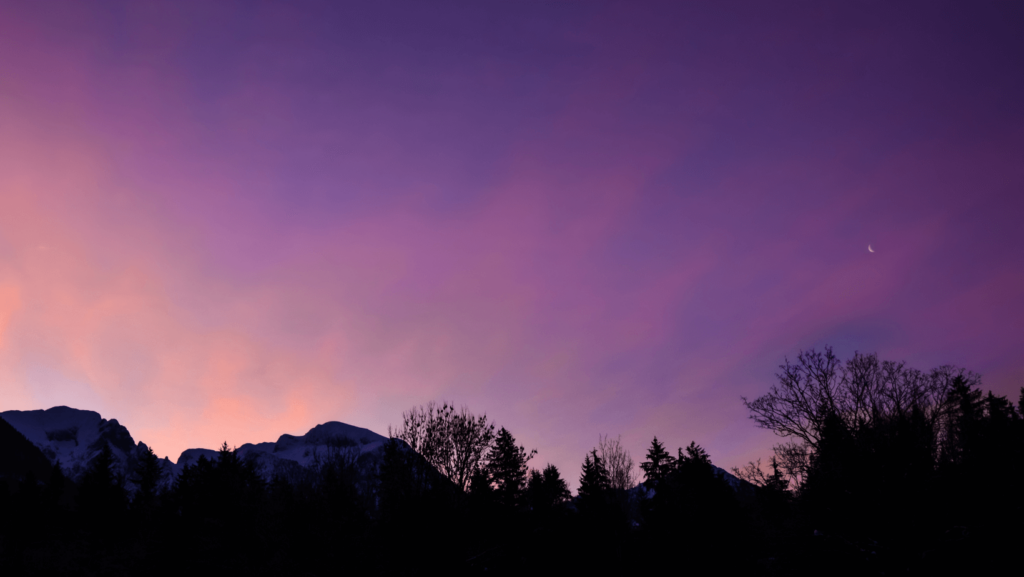
Sundown, twilight, nightfall. Devon Spier evokes the power and importance of this liminal time, especially around Shabbat.
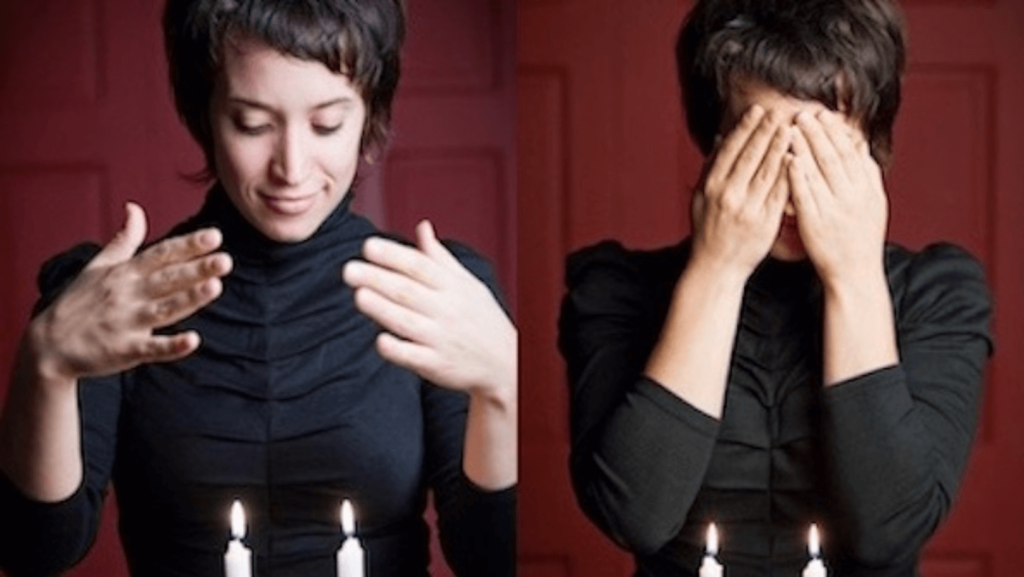
Adva Chattler offers a new ritual and meditations to follow Shabbat candle-lighting, derived from a teaching in Midrash Bereishit Rabbah.

Tiferet Welch’s poem drashes on what she sees to be the essence of this week’s par’shah: “The truth-telling of family can be a complicated business.”