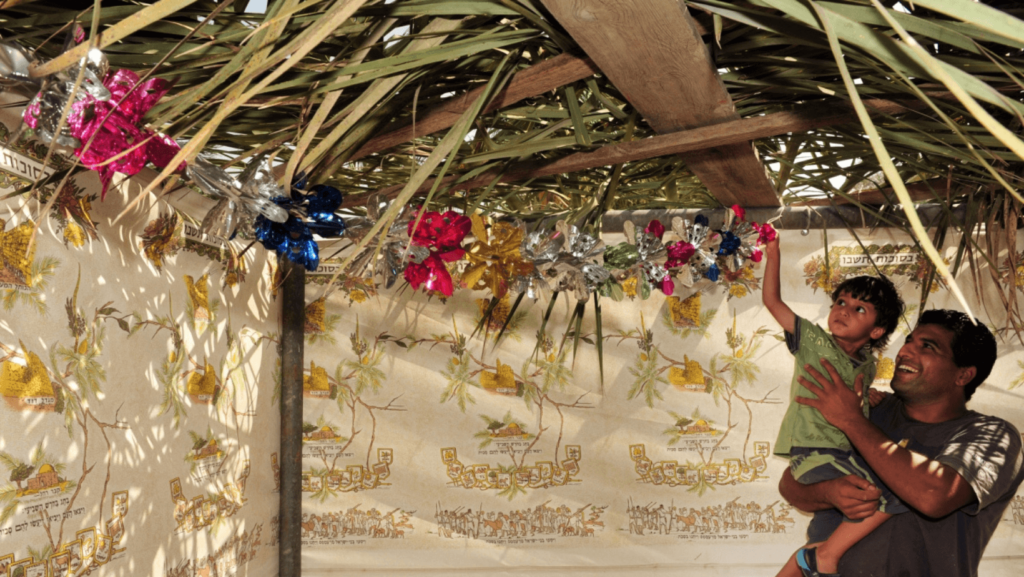
Read: ‘Ushpizin/ata’
Rabbi Jeremy Schwartz shares his ritual for welcoming exalted and holy guests into our sukkot.

Rabbi Jeremy Schwartz shares his ritual for welcoming exalted and holy guests into our sukkot.
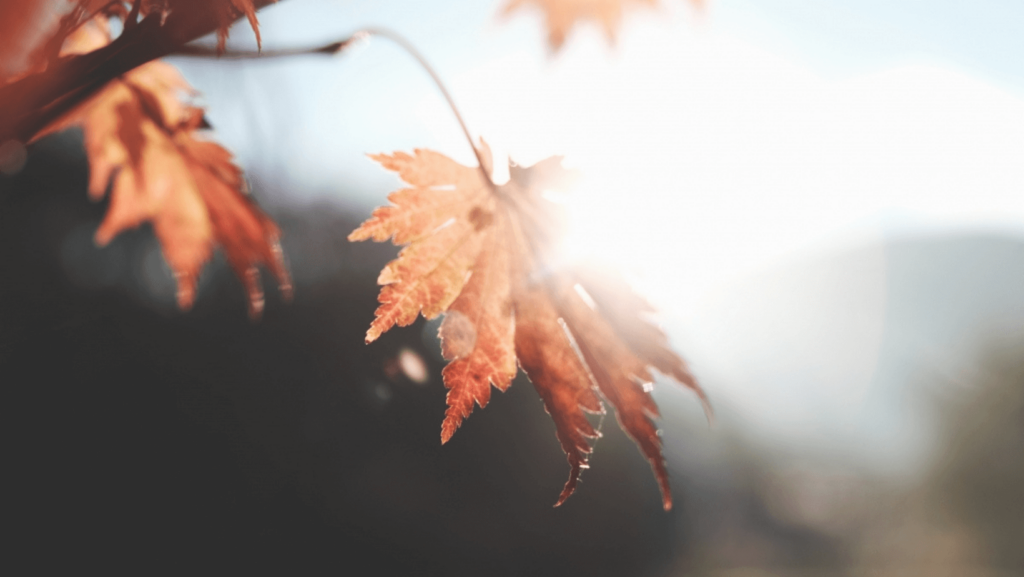
“All of a sudden, there is a new quality to the light,” notes Barbara Kavadias, heralding the Harvest Moon of Sukkot and the autumn festival of Sukkot.

How can we gather the courage to confront ourselves honestly and compassionately so that we can somehow realize a fresh start? Lisa Braun Glazer offers her thoughts.
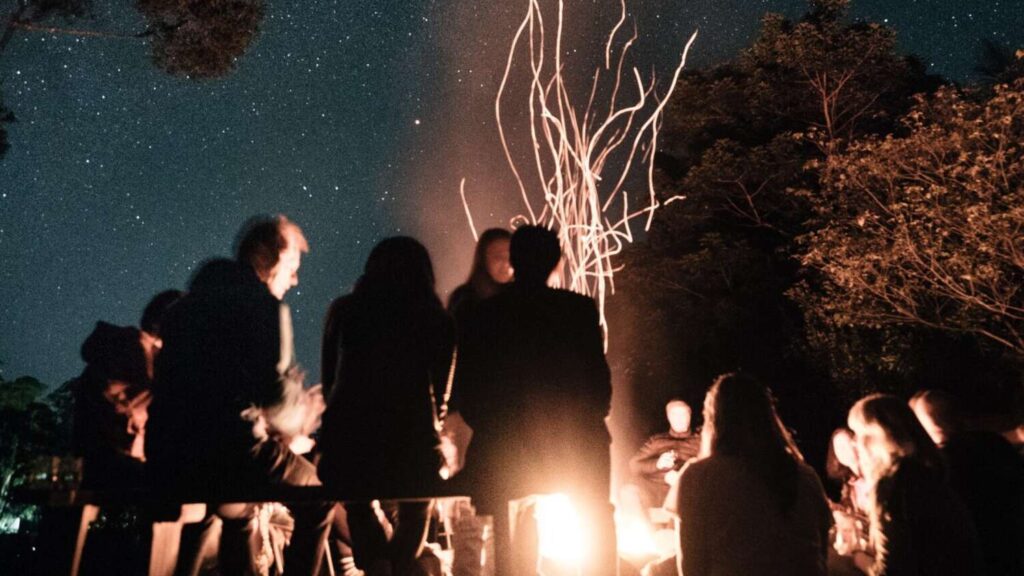
Hila Ratzabi developed this tashlikh ritual, inspired by a teaching in Bereishit Rabbah, which may be performed any time on the first or second day of Rosh Hashanah. It is an opportunity to reflect on the past year and let go of what is no longer serving us.
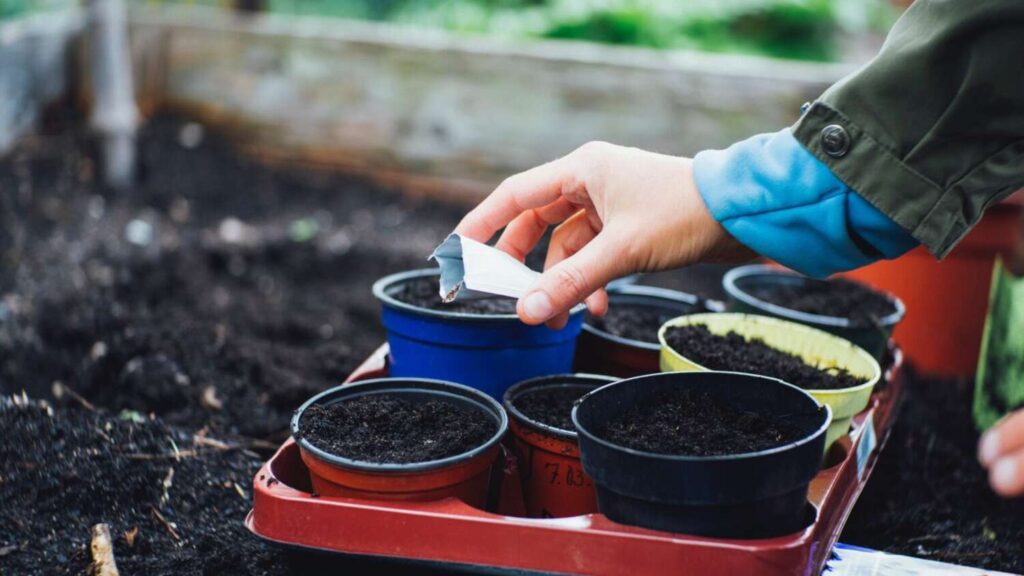
Rabbi David G. Winship sees the seeds of the new year in the core of an apple.
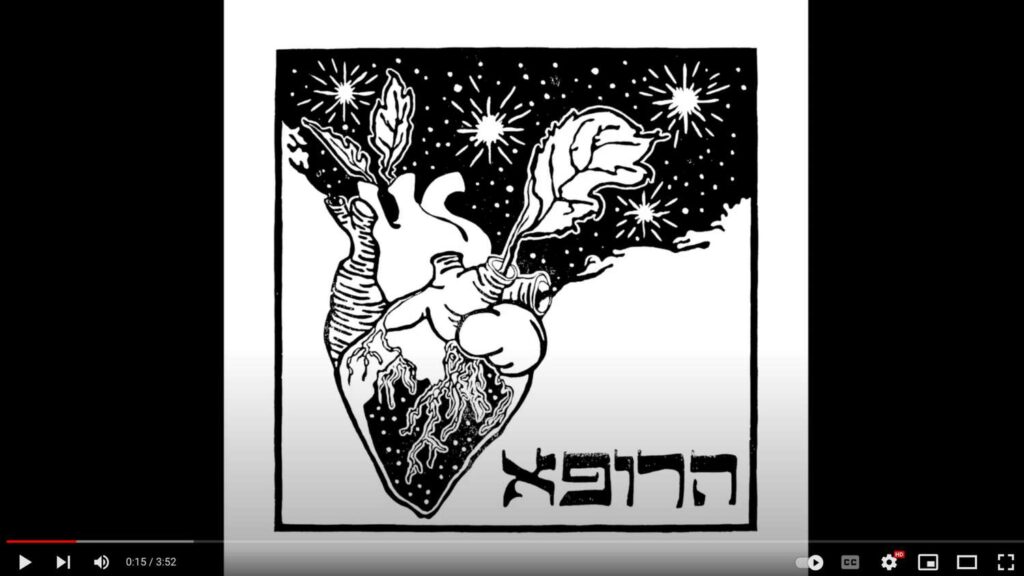
This video of Solomon Hoffman’s (rabbinic leader of Mishkan Ha’am (Westchester, N.Y., and RRC student) setting of Psalm 147 has been played in services around the world and was profiled by the public-radio program “Interfaith Voices.”

There is a Jewish tradition of immersing in a mikveh before Rosh Hashanah and Yom Kippur. Lisa Braun Glazer presents this opportunity to prepare oneself to enter this time of renewal.

Leslea Haravon Collins’s poem plays on the phrase re-nefesh (to “re-ensoul”), coined by Alan Lew in his book, This Is Real and You Are Completely Unprepared.
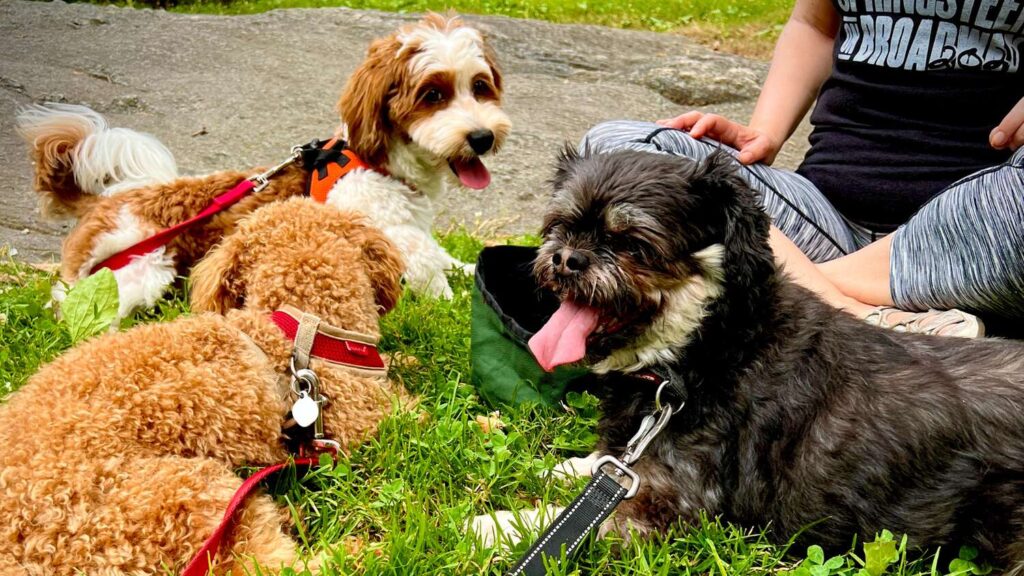
Rabbi Josh Snyder offers a ritual to bless our animal friends as a hillula — an annual rejoicing on the anniversary of the death of an important Rabbi — for Rav Avraham Yitzchak Ha-Kohen Kook (1864-1935), the first Chief Rabbi of Eretz Yisrael, who envisioned the Messianic age as a